
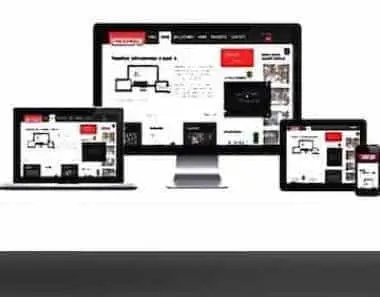
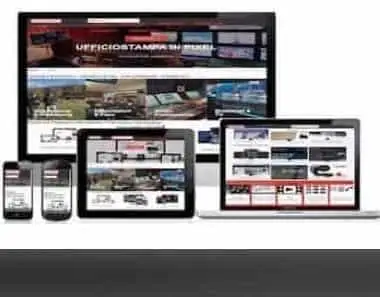
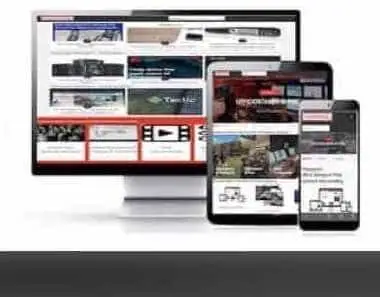
INTERNATIONAL PRESSOFFICE IN PIXELS
Presspool Roberto Landini
We are a press office and multi-platform media company based in Legnano, Milan, Italy, with a reputation abroad. [See Special Mention]
Since 1993 for international magazines and online since 2000, we have been producing multiplatform contents for tens of international companies, also white label for successful brands -only- in AV areas.
Multi Platform Content
Contenuti Multipiattaforma
Trending Latest




Broadcast RadioTV


Produzione & Remote Operations




Audio Pro


Sport & News Broadcast


World News


Video Pro


Post & Graphics

Tecnologie Innovative

Associazioni Fiere Educational

BUSINESSES AND TV COMPANIES
Trasforma il tuo sito web in un hub, investi sul ROR, Return On Relation
Presspool Ufficio Stampa in pixel, ti aiuta in ciò che ti distingue
CREA CONTENUTI SU MISURA E LI OTTIMIZZA PER I MOTORI DI RICERCA LI PUBBLICA SUL TUO SITO WEB LI CONDIVIDE SUI SOCIAL MEDIA LI DISTRIBUISCE AI TUOI GRUPPI DI UTENTI
SPESSO OGGI I PRODOTTI SI EQUIVALGONO
Ditelo a noi: noi lo diremo a tutti gli altri
Il Content Marketing parla di storie che rispecchiano le caratteristiche uniche che non tutti hanno e che i vostri clienti sapranno apprezzare.
Noi di Presspool siamo in grado di sottolineare quelle unicità che sono alla base della
vostra personalità aziendale.
Qualosa, un certo "quid", il vostro stile, che si riflette nei vostri prodotti e servizi.
LA DIFFERENZA È FATTA DI PERSONE, OSSIA ...VOI
Raccontiamo ogni volta la vostra "nuova avventura"
Fare risaltare quello che vi contraddistingue non è un compito facile.
Ma è quello che sappiamo fare, con discrezione: quel "continuum" che si percepisce per chi lo sa vedere.
Forse l'innovazione è troppo tecnica e dobbiamo far capire come questa si traduca in un vantaggio reale per i clienti.
Noi cerchiamo, con passione, proprio come voi, di rendere avvincente la vostra storia,
senza mai strafare.
VI AIUTIAMO A SPIEGARE PERCHE' SIETE DIVERSI DAI COMPETITOR
Aumentiamo il Valore Percepito del Vostro Prodotto - Servizio nelle aree:
Acquisizione, Produzione, Distribuzione
ACQUISIZIONE-Contribuzione, Associazioni-Fiere-Educational, Audio Pro, Broadcast
PRODUZIONE, Lighting, Projection, Virtual AR, VR, XR, MR, NewMedia, Post&Graphics
DISTRIBUZIONE, Sport Broadcast, Tecnologie Innovative, Video Pro, Web-Reti, AF-OTT-IP, World News, Radio, Satellite
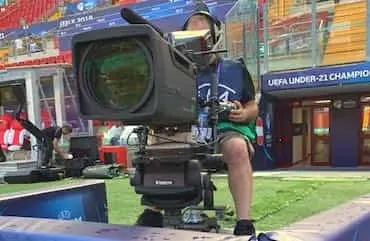
ACQUISIZIONE
Il primo step nella produzione televisiva e audiovisiva in genere è costituito dalla fase di Acquisizione; quindi qui raccogliamo articoli che riguardano telecamere e sistemi di acquisizione immagini e dell'audio in genere, compresi supporti particolari e camere speciali
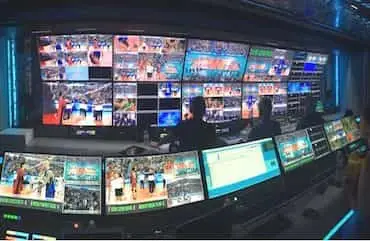
PRODUZIONE
L'area della Produzione raccoglie articoli che raccontanto tutto quello che avviene nella complessa fase dopo l'acquisizione. E' qui che un contenuto audiovisivo prende la sua forma definitiva, viene editato, montato, graficato, arricchito e, dopo la post-produzione, diventa un "master".
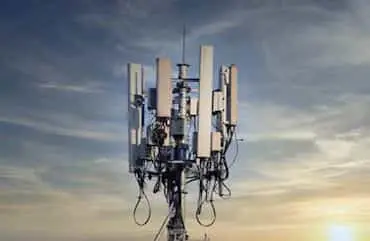
DISTRIBUZIONE
La Distribuzione permette di collegare i contenuti - finiti e lavorati in produzione e post-produzione - agli utenti finali. Conivolge Delivery, Broadcast, Narrowcast, Reti in genere, Web, Streaming, OTT, canali misti di Monetizzazione Multipiattaforma e Multi Device
Seminari, Workshop, Eventi, Webinar, Fiere...
Appuntamenti da non perdere


ULTIMISSIME, LATEST NEWS
Le 20 Notizie Più Recenti di Tutte le Categorie
- 2026
- Small Pixels e MulticoreWare annunciano una partnership strategica... 28:04:26
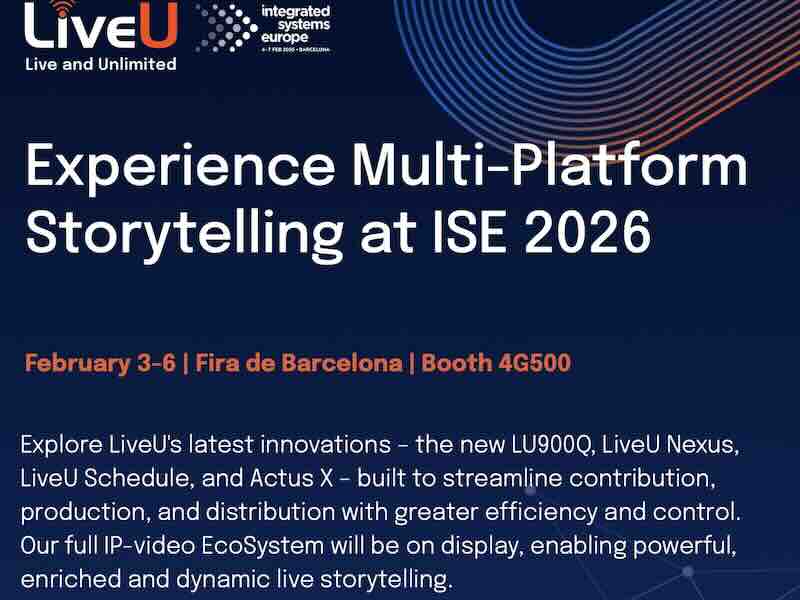
- LiveU presenta la Q Era a MPTS 2026 con la nuova unità di produzione LU900Q. 27:04:26
- Ocean Blue Software annuncia il lancio di DVB-I Inspector 26:04:26
- NetApp, new phase in its industrial evolution: intelligent data management across hybrid - multicloud environments 25:04:26
- IAMT presenta al NAB 26 un primo report del suo Report sullo Stato delle Tecnologie Media 24:04:26
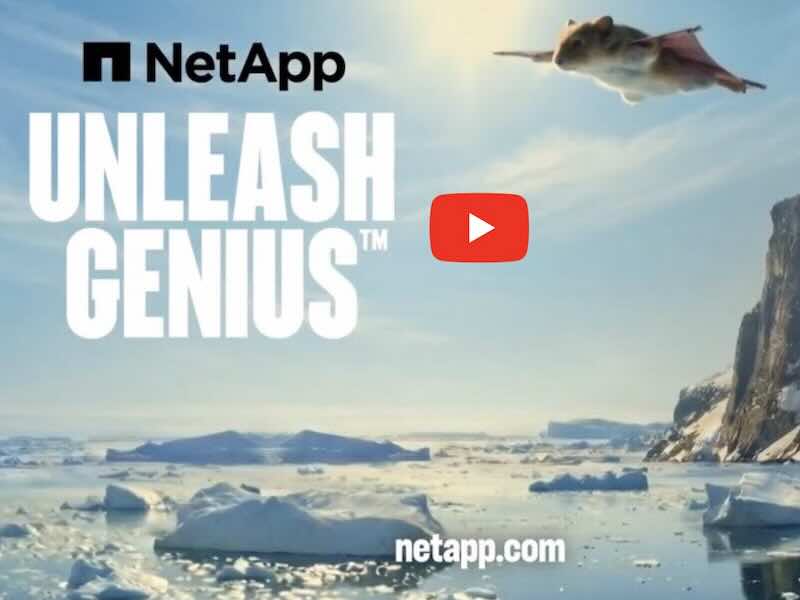
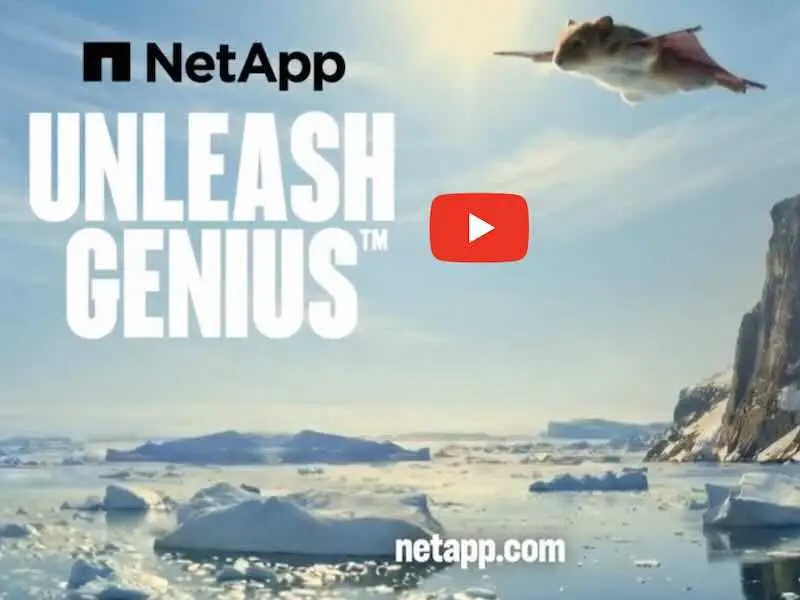
- Unleash your genius: NetApp 23:04:26
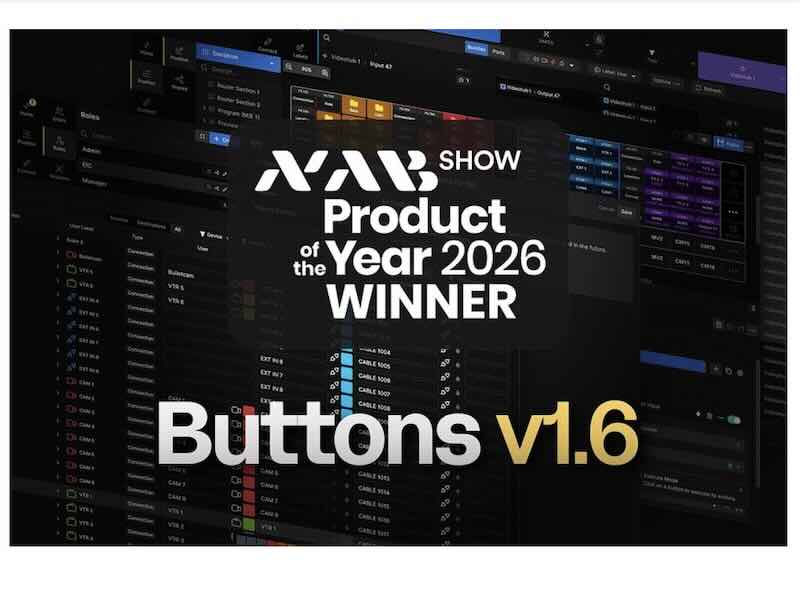
- Bitfocus ha ottenuto il riconoscimento Product of the Year al NAB Show 2026 per Buttons Enterprise 22:04:26
- Speciale NAB 2026: Appear traccia le ultime tendenze nella produzione media e intrattenimento 21:04:26
- Preparare i data center per i carichi di lavoro AI con il raffreddamento a livello di rack 20:04:26
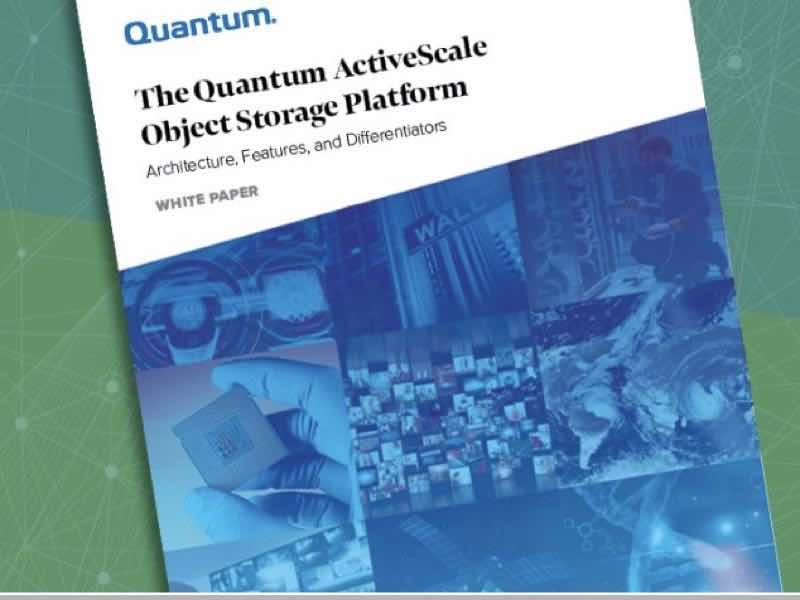
- Quantum, Protezione Dati contro le minacce di oggi: White paper da scaricare. 19:04:26
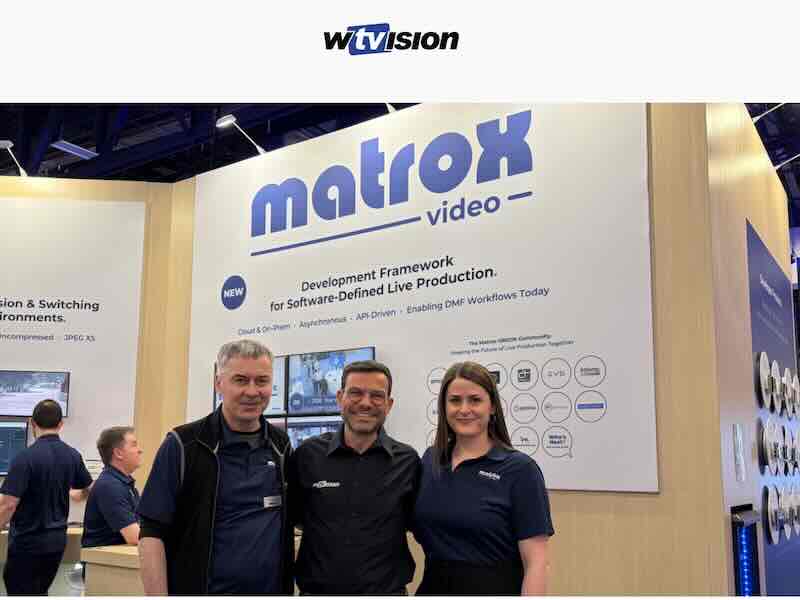
- WTVision integra con Matrox: News & Media Graphics broadcast 18:04:26
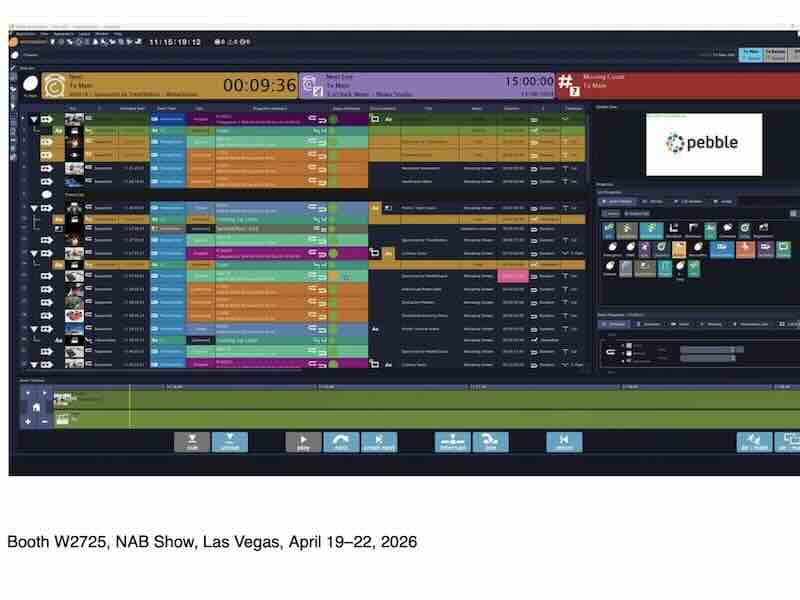
- Speciale NAB 2026, Pebble presenta partnership, prestazioni e playout orientato al futuro 17:04:26
- DDN, Guida in 5 fasi per un’infrastruttura AI scalabile e la data intelligence 16:04:26
- DDN: a 5-Step Guide to Scalable AI Infrastructure and Data Intelligence 15:04:26
- Speciale NAB Show 2026: Communication Video Engineering su appuntamento al booth di Harmonic al NAB Show 2026 (W2831). 14:04:26
- CVE Joins Harmonic at NAB Show 2026 in Booth W2831 14:04:26
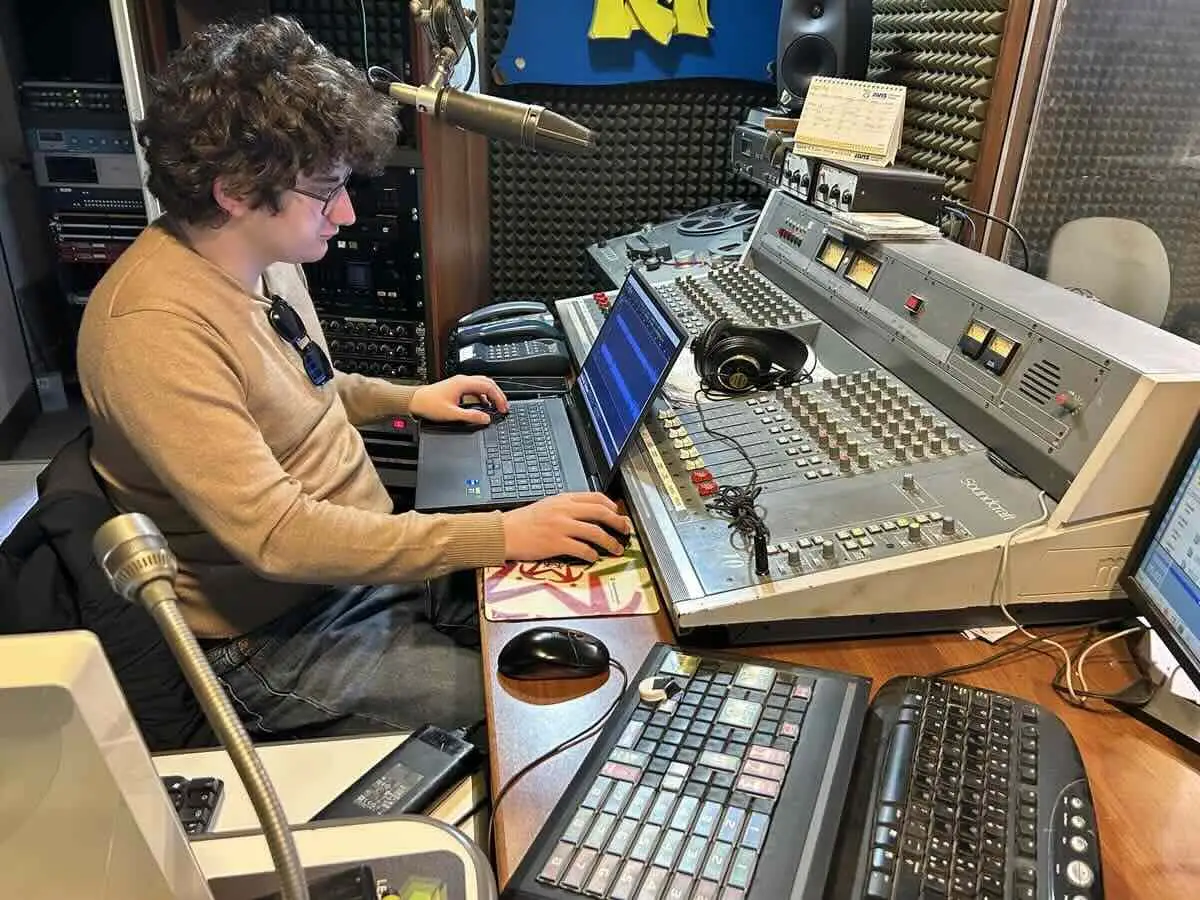
- Radio Missione Francescana: flusso informativo comunitario per una radio che ascolta e si fa ascoltare 13:04:26
- Sony e Nevion Speciale NAB 26: innovazioni Networked Live per produzione distribuita 12:04:26
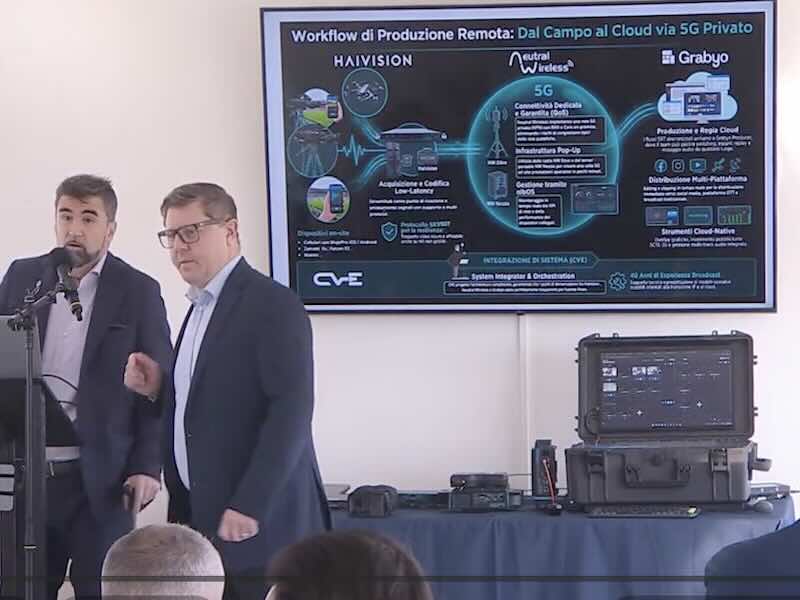
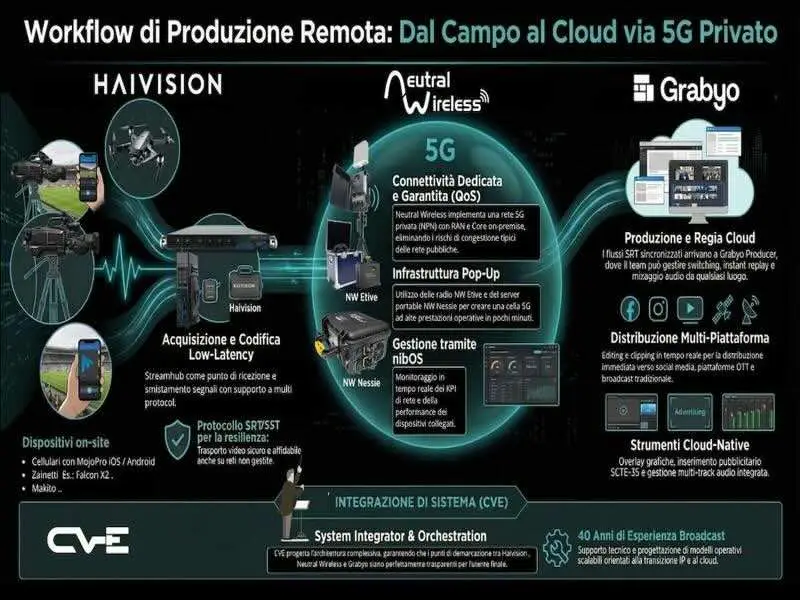
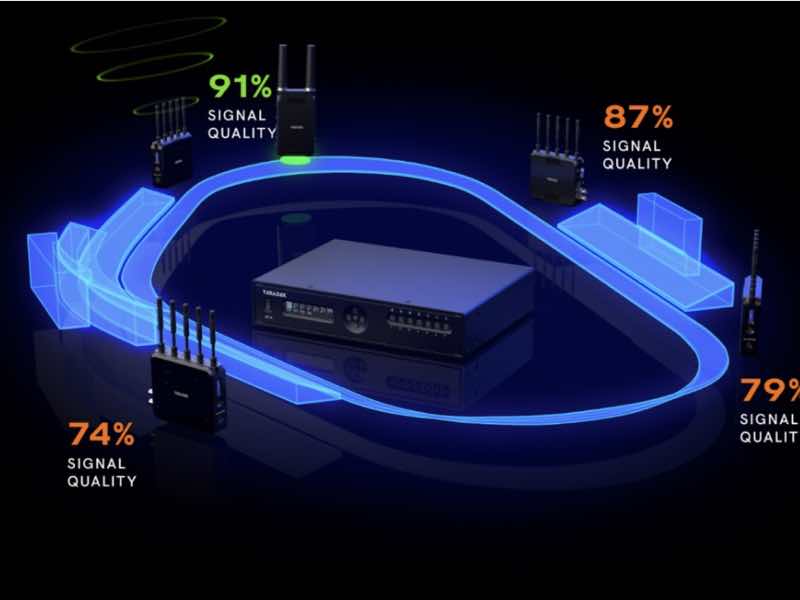
- CVE - Communication Video Engineering, Neutral Wireless, Haivision and Grabyo: “Live remote production over private 5G networks”. 11:04:26
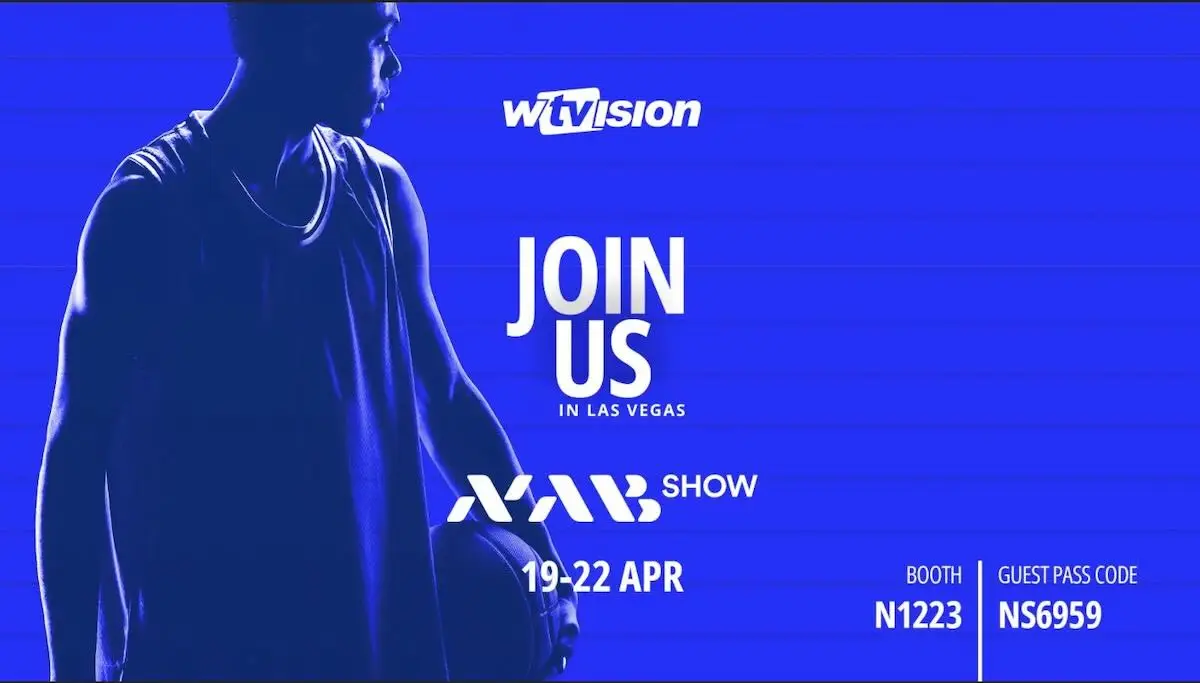
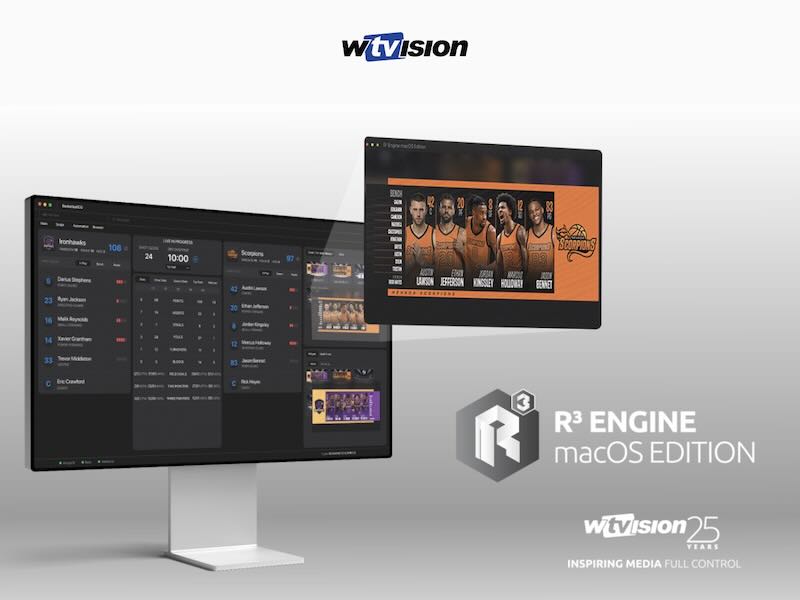
- wTVision presenta R³ Engine nativo su macOS al NAB Show 2026 10:04:26

Linked-in & Soci[al]
Da quest'area potete accedere alle nostre pagine sui maggiori social.
Possiamo curare per voi l'inserimento diretto - nelle vostre aree web news e nelle pagine social - dei contrenuti che vi creiamo.
Sappiamo quali siano gli elementi veri e unici di ogni vostra storia: contenuti indispensabili per ciò che state cercando di trasmettere.
Se state cercando un narratore che si prenda cura di tutto, in modo proattivo, dal contatto, alla stesura, pubblicazione, alla diffusione... noi ci siamo.
La nostra pagina su Linked-in